Humidity is the toughest test a floor faces. In tropical cities and coastal zones, ambient moisture runs 75-95% year-round, monsoon seasons soak everything, and un-airconditioned rooms swing 10C in a day. Some floors thrive in these conditions; others swell, cup, delaminate, or grow mold within the first year. Here is what two decades of flooring exports to tropical markets have taught us.
The failure ranking is consistent: solid hardwood cups and gaps as it absorbs and releases moisture; engineered wood delaminates at the ply lines in sustained high humidity; laminate's HDF core swells at joints after repeated wet-dry cycles - look at any monsoon-market apartment after three years and you will see dark, swollen seams. These failures are not installation errors; they are material limits.
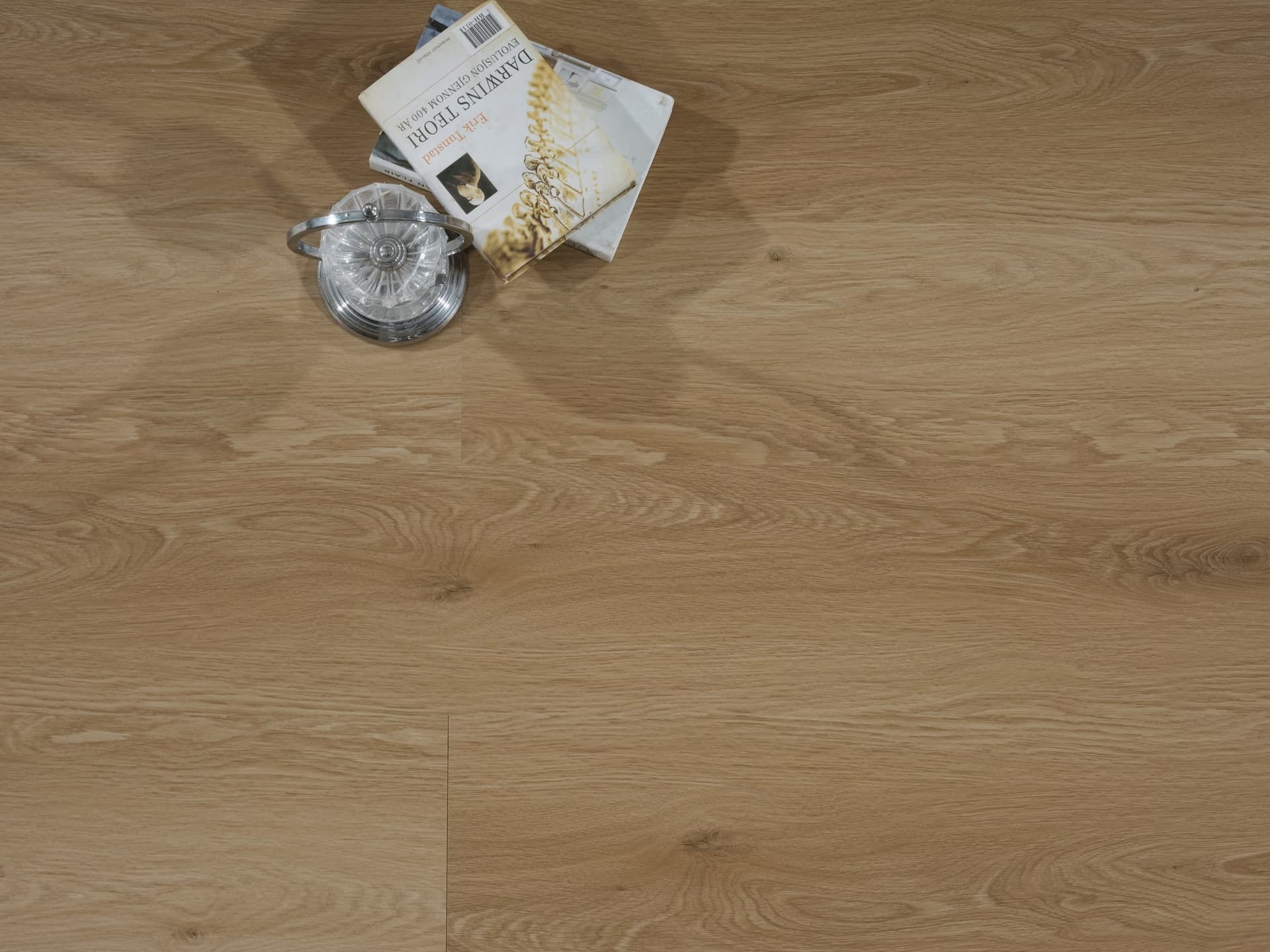
SPC is the tropical champion. Its limestone-PVC core is impervious to humidity: it cannot absorb water, so it cannot swell, cup, or feed mold. Dimensional stability means planks stay tight through wet-dry seasons without the expansion gaps wood requires. Add the 100% waterproof surface and antimicrobial treatments, and SPC is the reason vinyl has taken over residential and hotel flooring across Southeast Asia, the Gulf, and coastal Latin America.
Spec sheet for humid climates: 5mm+ SPC (thinner planks feel hollow in open-air rooms), 0.5mm wear layer for the sand and grit the monsoon brings in, matte EIR texture (gloss shows footprints and micro-scratches in bright tropical light), and UV-stabilized wear layer against intense equatorial sun - ask the factory for their UV and yellowing test values. Color-matched SPC skirting resists the wall-base mold that eats MDF trim in wet zones.
Installation details that matter more than the floor itself: over concrete slabs in the tropics, always lay a 0.2mm PE vapor barrier even with waterproof flooring - slab moisture pushes through and attacks anything organic trapped above (adhesive residues, dust). Let cartons acclimate 48 hours in the actual room. Seal bathroom and balcony doorways with silicone at the floor edge, and leave interior doors open during the rainy season to equalize humidity between rooms.
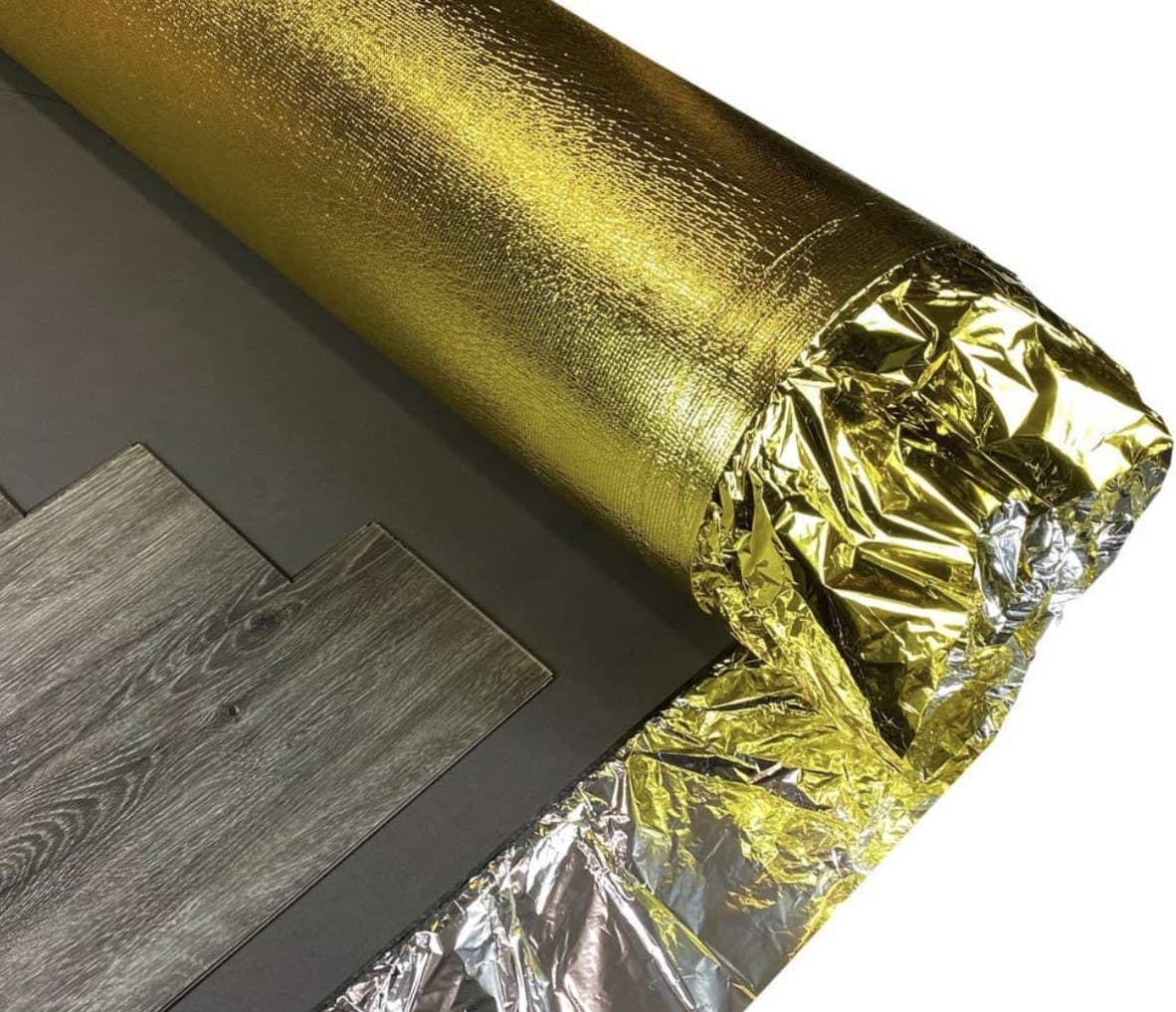
Underlay choice in the tropics: choose IXPE with anti-microbial treatment over basic foam, and skip cork entirely - natural cork absorbs ambient moisture and can host mold in unconditioned spaces. For high-rise condos with sound requirements, 1.5mm IXPE with an attached PE film gives both acoustic damping and a vapor break in one layer.
For buyers, the commercial logic is simple: in humid markets, callbacks kill flooring margins. A swollen laminate batch means replacing the whole apartment floor at your cost; an SPC floor that survives the monsoon means referrals instead. SHUCHAN FLOORING ships SPC to more than 40 countries with large tropical and coastal markets, with anti-mold underlay, UV-stabilized wear layers, and color-matched waterproof skirting available in the same container. Send us your project's climate profile and we will return the exact specification that has already survived it.