Commercial projects are where SPC wins or loses on paper - literally, because tenders are won by specification sheets, not showroom samples. This guide gives the exact SPC specs that pass hotel, retail, office, and clinic tenders in most markets, and how to sequence material delivery so renovation projects finish on time.
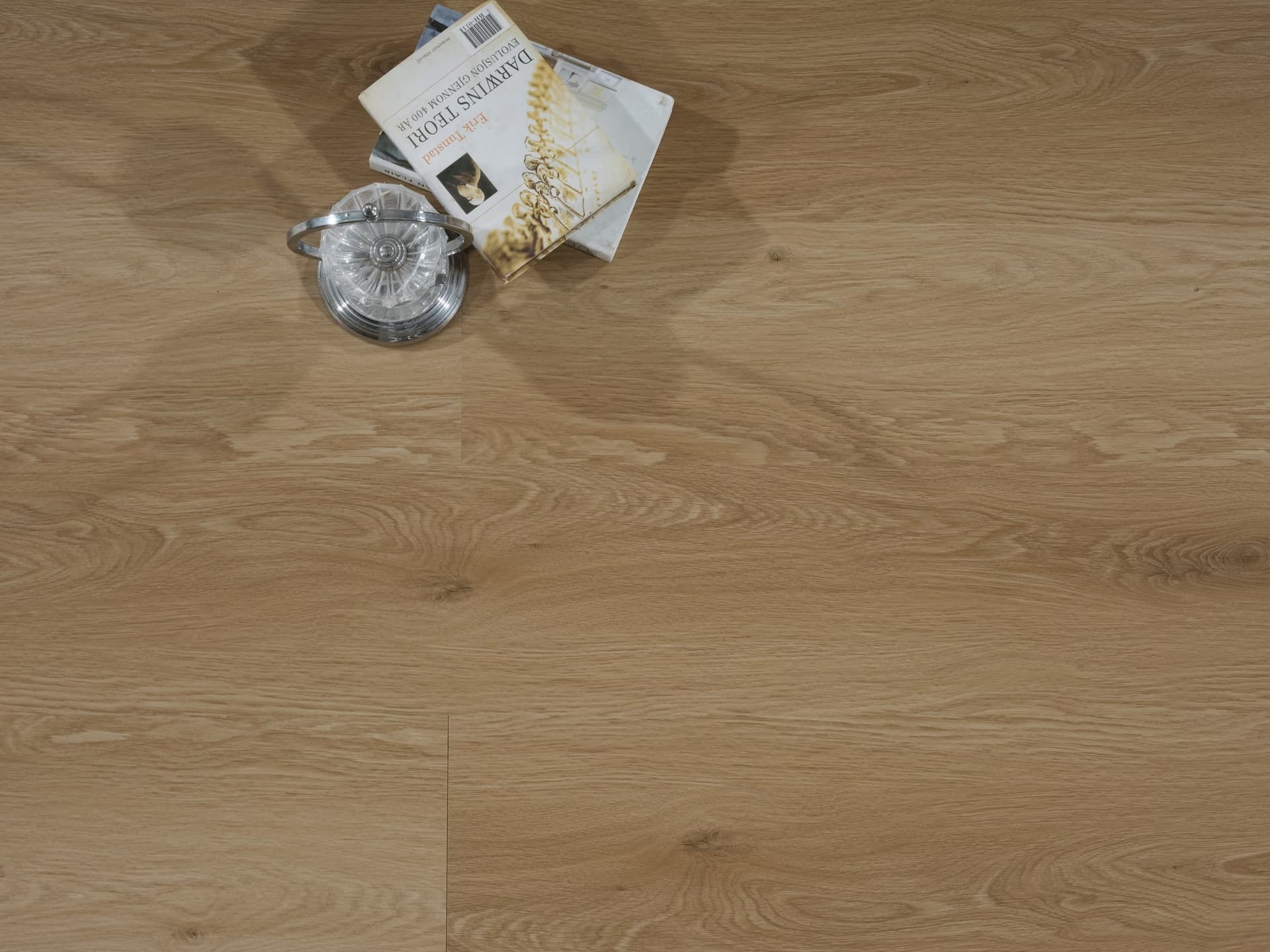
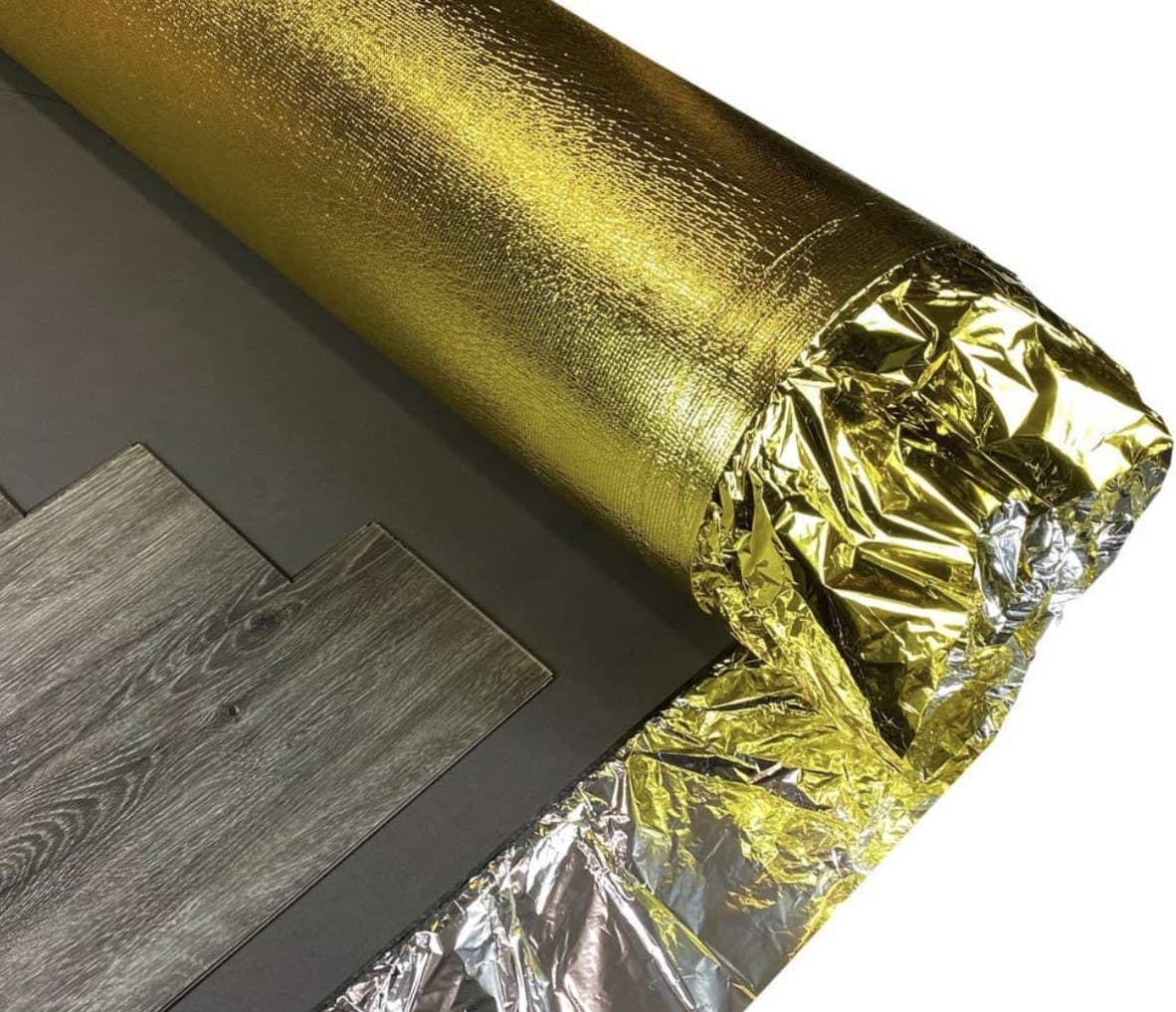
Hotel guest rooms: specify 5mm SPC with 0.5mm pure-PVC wear layer, EIR surface, and 1.0-1.5mm pre-attached IXPE underlay. This combination passes barefoot comfort requirements, keeps corridor-to-room footstep noise low (Delta IIC around 19-21dB with underlay), and survives housekeeping trolleys and luggage carts for 10+ years. Light neutral decors (oak, beige grey) future-proof against redesigns; avoid dark gloss which shows scratches and dust.
Hotel corridors and lobbies move to 6mm with 0.55mm wear layer. Rolling luggage creates point loads that thin planks telegraph; the extra core mass also dampens sound between floors. For lobbies where wheelie suitcases meet entrance grit, add a walk-off mat zone at doors - no floor survives sand blasting, and this line in your tender protects your warranty position later.
Retail and showrooms: 6mm, 0.55mm wear layer, and insist on a Taber test report showing AC4-equivalent or better. Shopping trolleys, stiletto heels on hardsoles, and display rearrangement are the three killers. Matte EIR textures hide micro-scratches far better than glossy. For food retail, verify stain resistance per EN 423 against oils and dyes - pure PVC wear layers pass; cheap blends stain.
Offices: 5mm with 0.5mm is standard, but check the castor-chair requirement. Rolling office chairs are the hardest single test - specify EN 425/ISO 4918 compliance for castor use, and confirm the click system is Unilin or Valinge licensed; unlicensed copies crack at the joints under chair traffic. Underfloor heating loops in modern offices rarely exceed 27C surface, which SPC handles natively.
Clinics, kindergartens, care homes: beyond the base 6mm spec, hygiene drives the choices - welded or tight-click joints without bevels (dirt traps), phthalate-free certificates, and optionally antibacterial surface treatment. Slip resistance matters in bathrooms and corridors: ask for R10 (pendulum PTV ~36) for dry areas, R11 for wet zones; SPC with structured EIR surfaces typically reaches R10/R11 out of the box.
Fire classification trips up many imports. Most markets require the floor to be classified, not the raw material: in the EU, Efl-s or Bfl-s1 under EN 13501-1 depending on the country and building type; in the GCC, similar class reports plus sometimes local Civil Defense approval. Always request the factory's latest EN 13501 test report for the exact plank thickness you buy - classes differ by thickness, and customs or site inspectors do check the paperwork against the delivered plank.
Renovation sequencing: order flooring with skirting, transition profiles, and stair noses from the same factory and dye lot as the planks. Delivered-mismatched accessories are the number-one cause of punch-list delays on hotel jobs. For phased renovations (occupied hotels), specify carton-sequential delivery and book 2 extra cartons per 100 m2 stored on site - top-up orders of discontinued decors cannot be color-matched later.
A commercial-spec shorthand you can paste into any RFQ: 'SPC 6mm core, 0.55mm pure PVC wear layer, Unilin/Valinge click, pre-attached IXPE 1.5mm, EIR matte surface, R10 slip, Efl-s1 fire class EN 13501, phthalate-free, Delta IIC >=20dB, lot-controlled color, accessories color-matched, AQL 2.5 pre-shipment inspection.' SHUCHAN FLOORING supplies this specification with full documentation per batch - submit your project drawings and we will return a room-by-room material plan within 48 hours.